
Ever wondered how to reach out to people effectively? Let’s break it down.
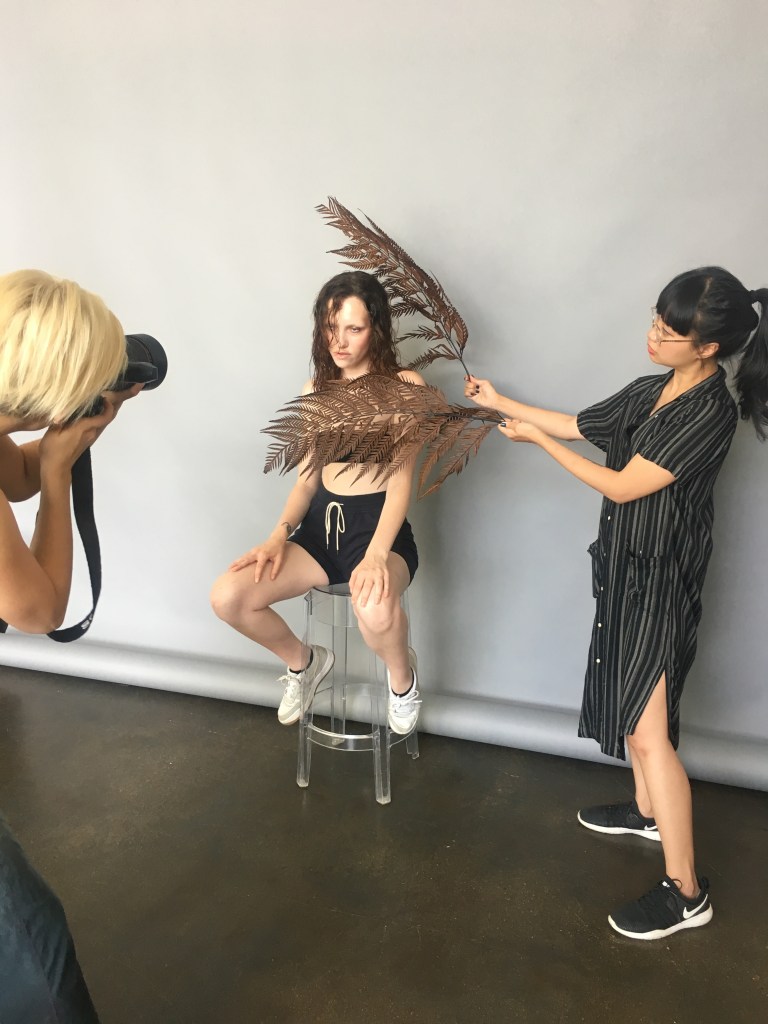
Hands down the most useful skill I have developed over my photography career is the ability to network in a way that leads to meaningful and long lasting connections.
I started building my network at 14 years old. By 16, I was executing elaborate concepts with the help of already established adult professionals. In fact, the whole reason I didn’t end up going to school to study photography was because I felt I was already establishing myself as a professional and didn’t want to take away from my momentum, and I have never regretted that decision for a second. My collaborators became my teachers and mentors, the studio was my classroom. At 21 years old I got to live and work in a photography studio rent free thanks to a recommendation from my makeup artist friend at the time. During this time I joined a community of photographers and we started having regular meet ups! I had several job and press opportunities come from recommendations from other photographers, they are not just your competition. The list of opportunities I got just from networking and word of mouth is honestly and truly endless. Here’s how I did it…
Don’t Rush Into It
Before reaching out to anyone, just familiarize yourself with the local landscape. Research and identify individuals who do work that you enjoy. Social media is an incredible tool for allowing us to do this. Then, instead of reaching out to them right away- sit back and genuinely support them from afar. You know the power of suggestion? If they see your name coming up in their comments and likes often, they are more likely to remember it and to subconsciously place more value on it. This doesn’t mean harass them and constantly blow up their feed because you have ulterior motives in place. I mean just GENUINELY enjoy their work before making it about you- I swear it makes a difference. We’re talking about building long term stable connections here.
First impressions are really important, and if you reach out and rub someone the wrong way immediately, it’s not always easy to come back from that.
Time to Reach Out
The best way to reach out to someone for the first time is when you have a specific project you think they would be a good fit for. Reaching out for personal reasons to hang out or meet for coffee can raise some flags for people and make them question your intentions. When you reach out with a specific project in mind for you both this shows that the message is personal, that you are familiar with their work, and that you have already put some time and effort into this collaboration. It’s also a faster more effective way to get things done. A generic message that just says something vaguely about how you should work together sometime at best is too open ended and there might never be any follow up or follow through, and at worst it can be flagged as spam or completely ignored.
Presenting your Idea
When composing your outreach message, aim to be clear, concise, and direct. People often receive numerous emails and requests daily, so you want to capture their attention quickly. State your intentions, explain your project and why you think they would be a good fit. By providing a clear and concise proposal, you make it easier for potential collaborators to understand your vision and consider your request. The best idea to propose to someone is something that is in line with their current work, but not like anything they have done before. You will find a lot of creatives are always wanting to expand and try new things and really love and appreciate an opportunity to do so. If they don’t like the idea, at least they might suggest that you work together on something else. But if they don’t like your message, that’s a conversation stopper. So remember that how you present your idea is more important than the idea itself.
Setting the Tone
While it is important to emphasize the mutual benefits, I think people often take this too far. A surefire way for someone to piss me off, is to act like they are just “offering ” me something, as if I am not also going to be a lot for them. Often in these instances it is actually myself that has more to offer them, and I think they might know this and be overcompensating. I’m not sure if everyone can smell that, but I certainly can, so I think it’s safe to assume they might. Don’t try to manipulate them! If you feel like they have more to offer you and you are reaching above your station- be honest about that! I am way more inclined to want to work with someone who’s work doesn’t necessarily reach my usual quality if they are really kind and humble and honest about their approach. We all start somewhere, and most of us working professionals can easily think of those people who gave us a break and helped us to get to where we are. Maybe you have other ways to provide benefits for them, or maybe you can even ask them what they would find helpful! My number one rule for reaching out to people is just being honest- no bullshit.
Follow Through
Once you’ve actually breached contact and are having a conversation with them, consider that your collaboration is already starting in this conversation. Keep bringing good energy and good ideas and an open mind and ear to the table. Don’t be afraid to ask questions and to compromise. Showing them you respect them and their work is everything.
Keep this energy up on set! I always try to make people feel comfortable and valued on set. Take care of them like they are guests in your home, I always liked to feed everyone, even if it was just a little fruit tray or something on set when my budget was very small, the gesture means a lot to people. Finally, when the job is done follow up with a message of gratitude!
Now, how do you make these connections last for the long run? From here, working relationships and even friendships should begin to flow naturally! If you’ve done a good job and been a pleasure to work with, they will probably be happy to work together again. Try to work with the same people often, the more you work with people the better your work together will be. If you have paid opportunities, consider hiring these people first, or recommending them to clients.
Remember, collaboration isn’t just about what you gain; it’s also about what you can contribute. Be willing to share your knowledge, skills, and resources to create a mutually beneficial partnership.
Sound easy enough? So, what are you waiting for? Take the first step, go start supporting fellow creatives, and unlock the power of collaboration!
Do you have any experiences or tips about reaching out to collaborators that you’d like to share? Let me know in the comments below.



















 Chelsey Unfiltered