Unveiling the Art of Self-Portraiture: A Budget-Friendly Three-Light Setup

Introduction:
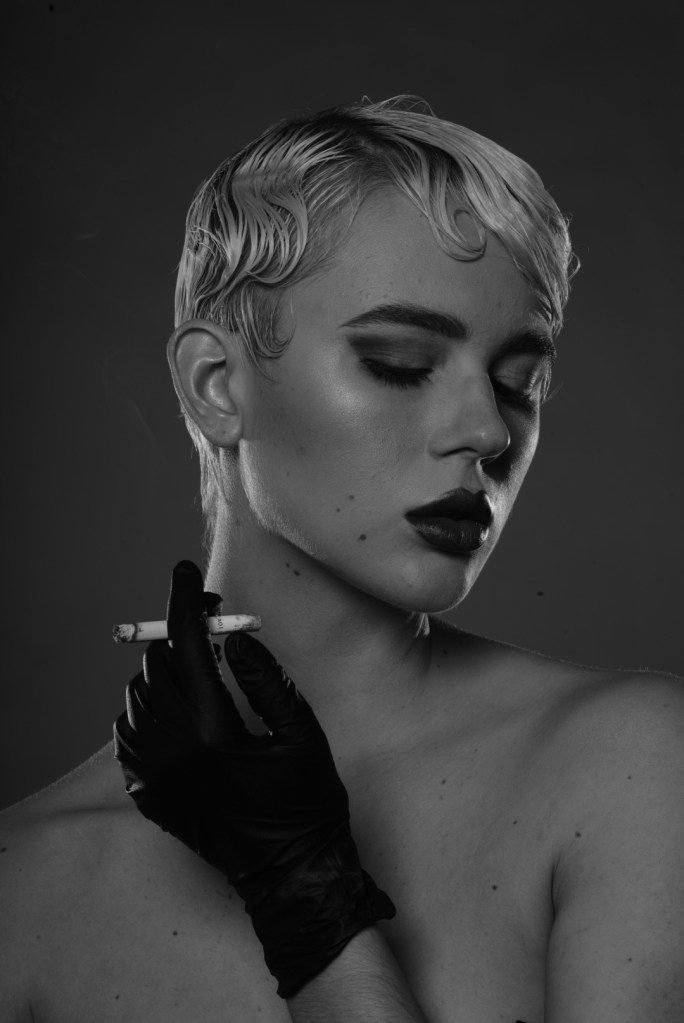
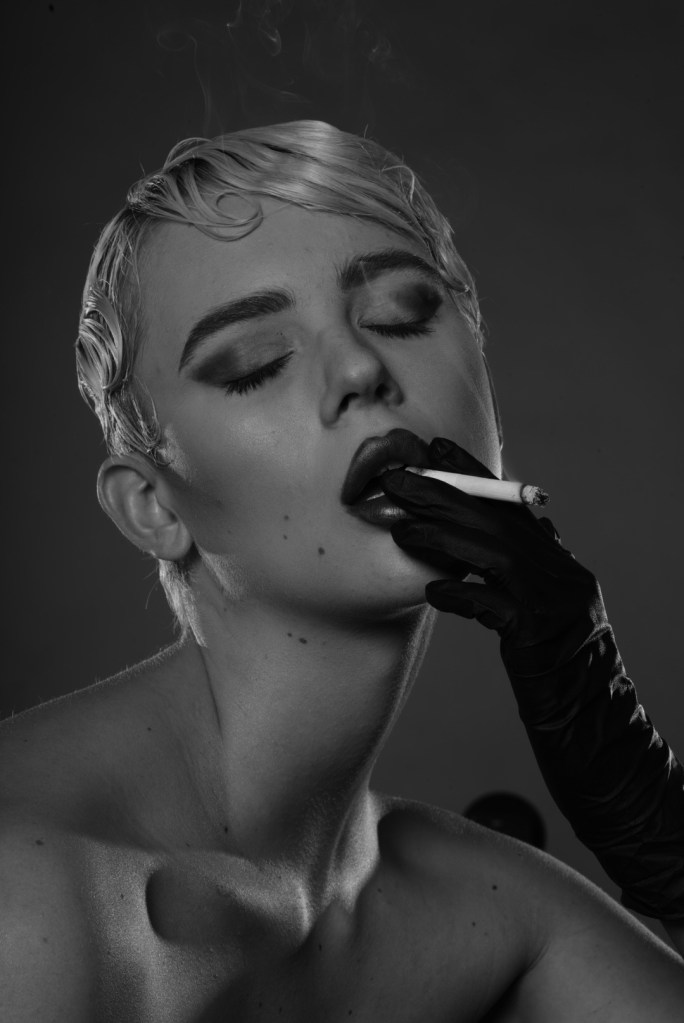
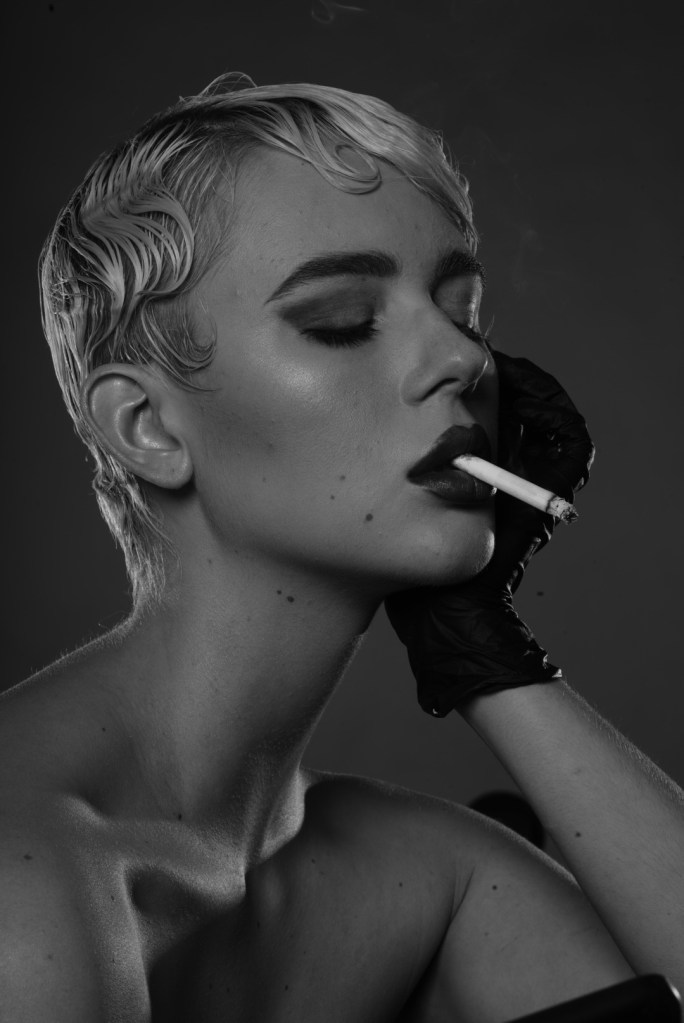
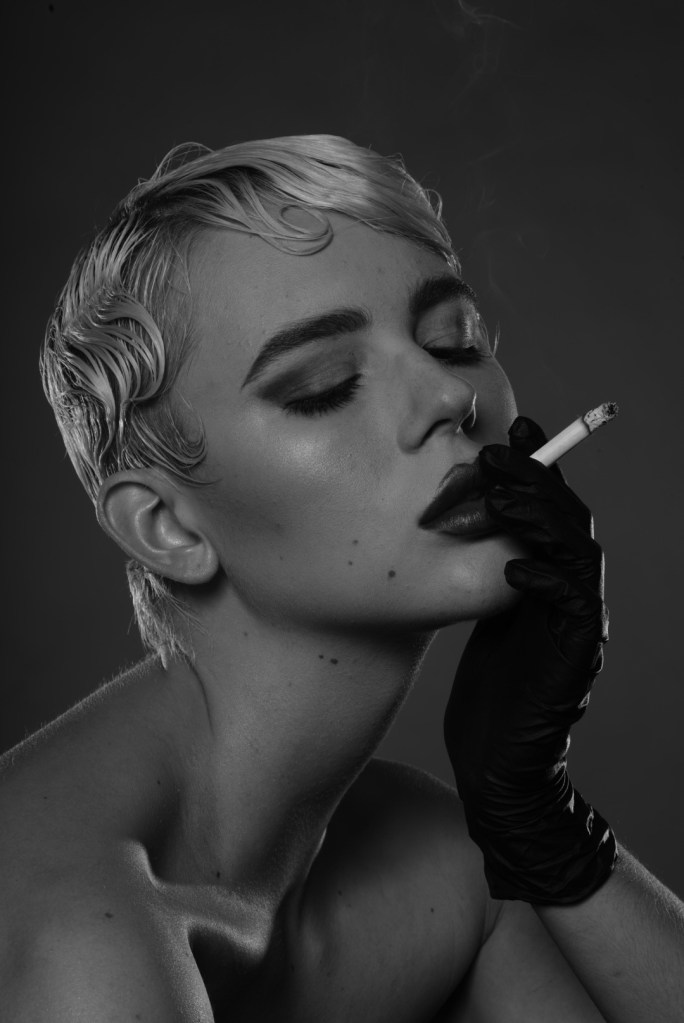
In the realm of self-portraiture, creativity knows no bounds. One need not possess an extensive budget or fancy equipment to craft captivating images. In this blog post, I’ll take you behind the scenes of a recent self-portrait session where I employed a modest three-light setup, proving that creativity is the true driving force behind remarkable photography.

The Vision: Moodboard as a Blueprint:
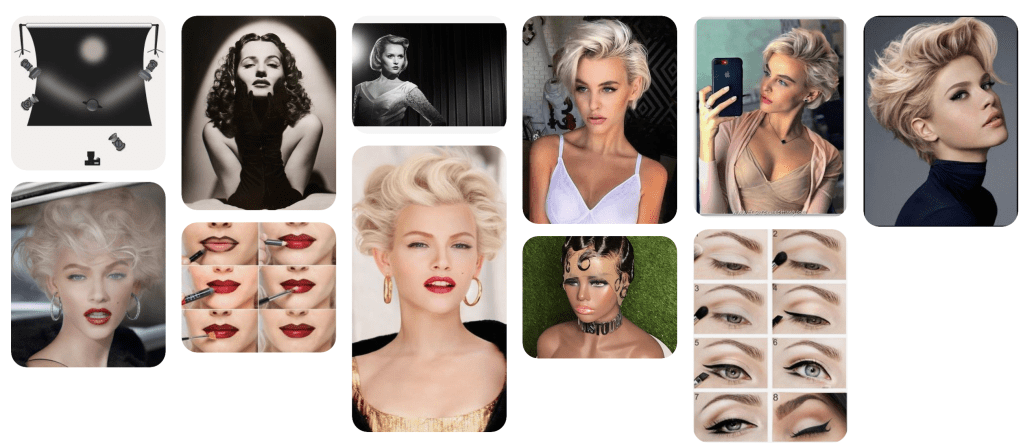

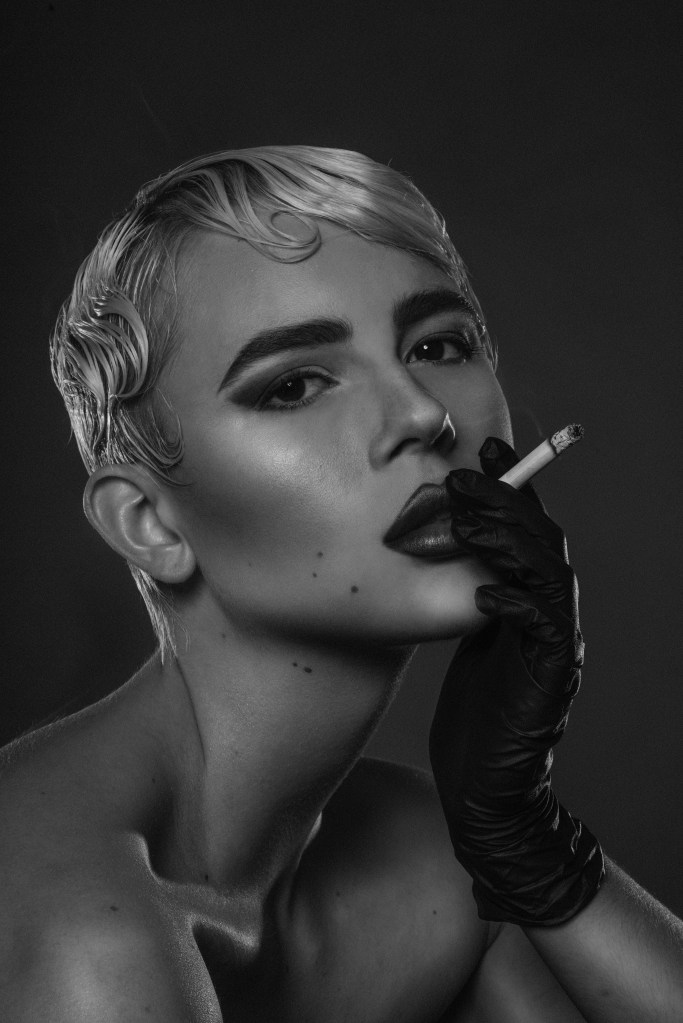
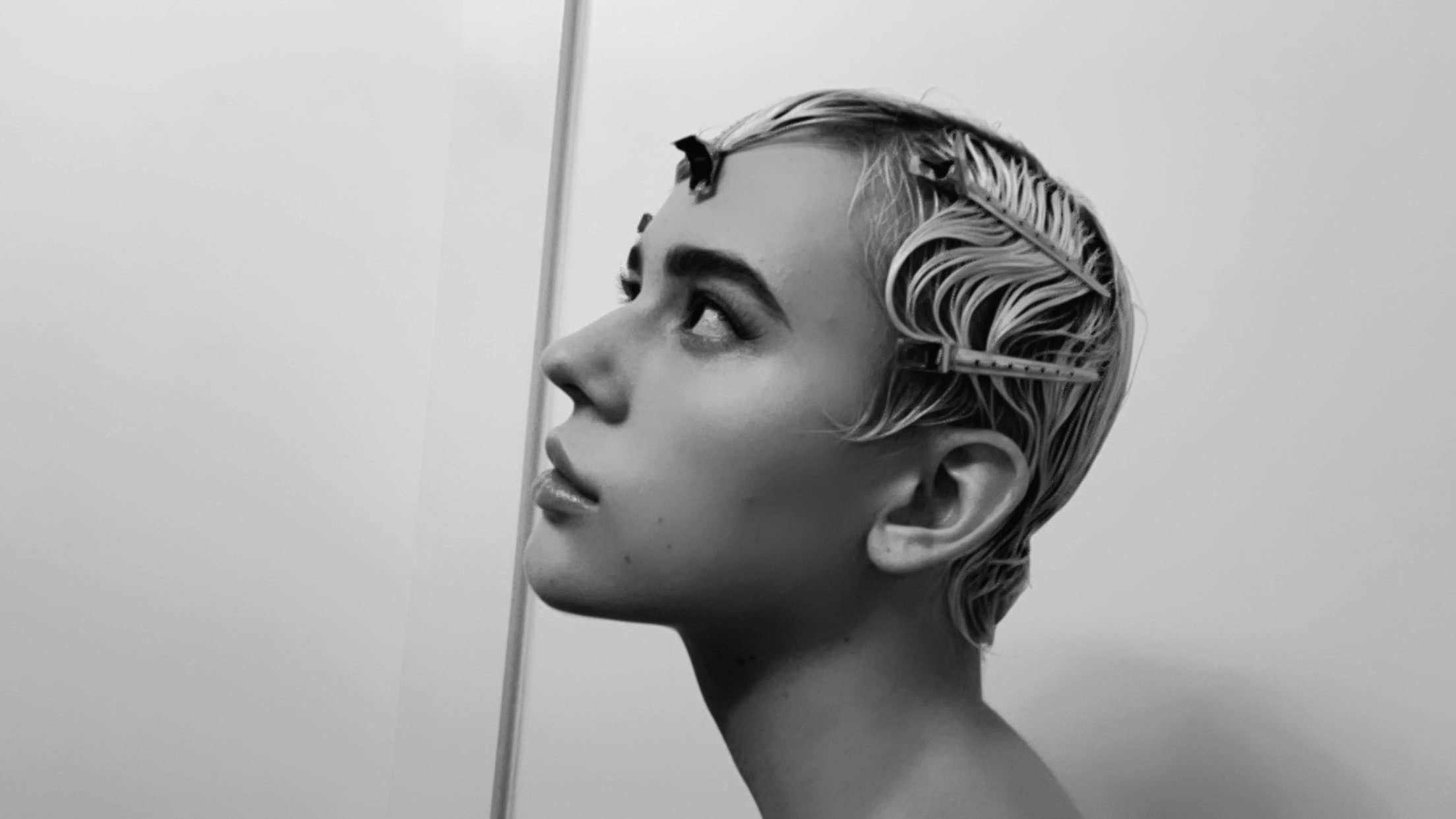
Every successful photoshoot begins with a vision. To translate my ideas into reality, I created this mood board – a visual blueprint that served as my guide. This collection of images, and aesthetics set the tone for the shoot, helping me conceptualize the final result. The concept was simple. I wanted a glam, vintage pinup look, dramatic but flattering lighting, and black and white.

The Preparation:
I’ll admit I am not very good at hair and makeup. I have short hair because I thought it would be the least maintenance (it’s not). Luckily there were a bunch of tutorials on youtube to help me get the look I desired. I knew that photographs with the right lighting have a magical ability to make everything look better, so I only needed to get the general idea. The rest could be fixed in post, or fixed by shooting from the right angles.
The Setup:
1. Key Light: Beauty Dish for Dramatic Flair

  • For the main light, a single beauty dish took center stage. Elevated high above me and angled downward, this light source cast flattering yet dramatic illumination on my face. The beauty dish, known for its soft yet defined shadows, became the hero of the shoot, sculpting my features with precision.


1. Back Lights (Strobes with Reflectors):

  • Positioned strategically at the back left and right, two strobes equipped with reflectors played the role of backlights. This placement not only added dimension to the images but also created a beautiful separation between me and the background. Working with available resources, reflectors were used to maximize the impact of these lights. The backlights created captivating highlights on the edges, adding a touch of magic to the overall composition.

My original inspiration from the moodboard was a 4 light set up, with a spotlight on the background. I am sure that would have been a great effect, but I only had 3 lights to work with at the time so I opted to leave that one out. I believe the inspiration also included different lighting modifiers, but I used what tools I had available, and made it my own!

For Reference:
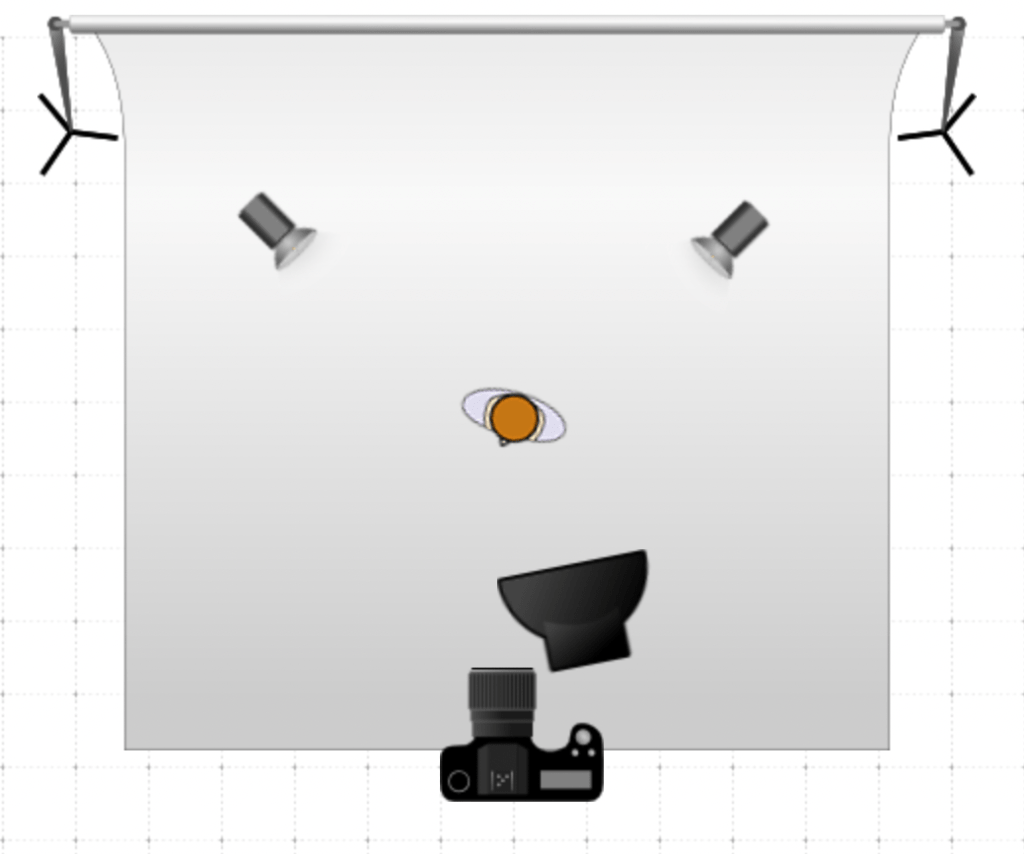
My background was actually dark grey, but I positioned myself far in front of it, with no light spilling on to the backdrop to make it appear black!

Working with Constraints:
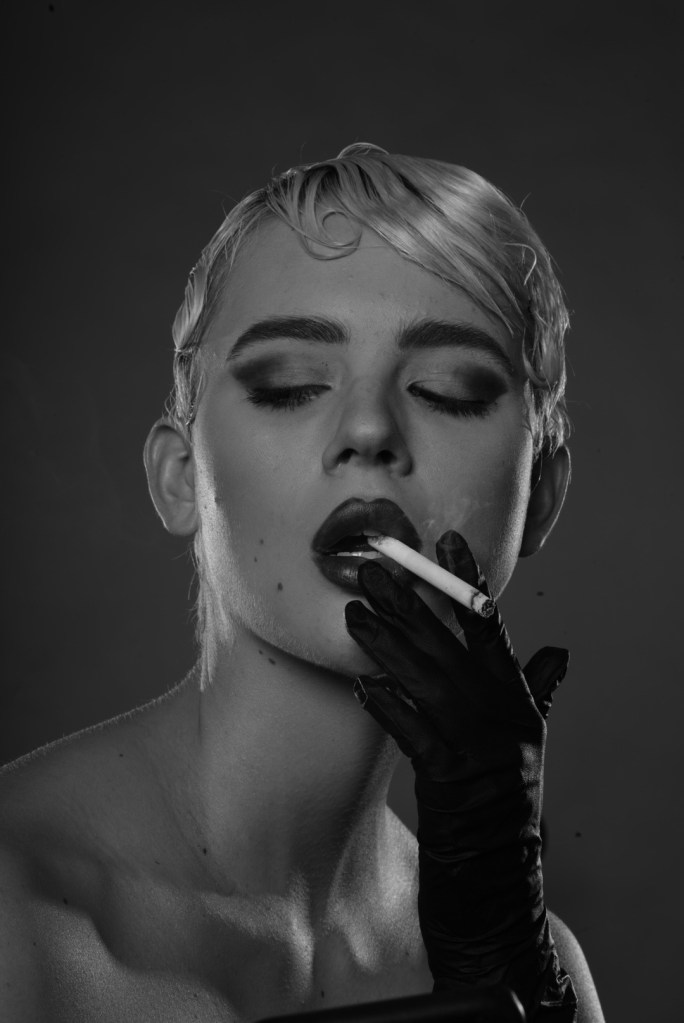
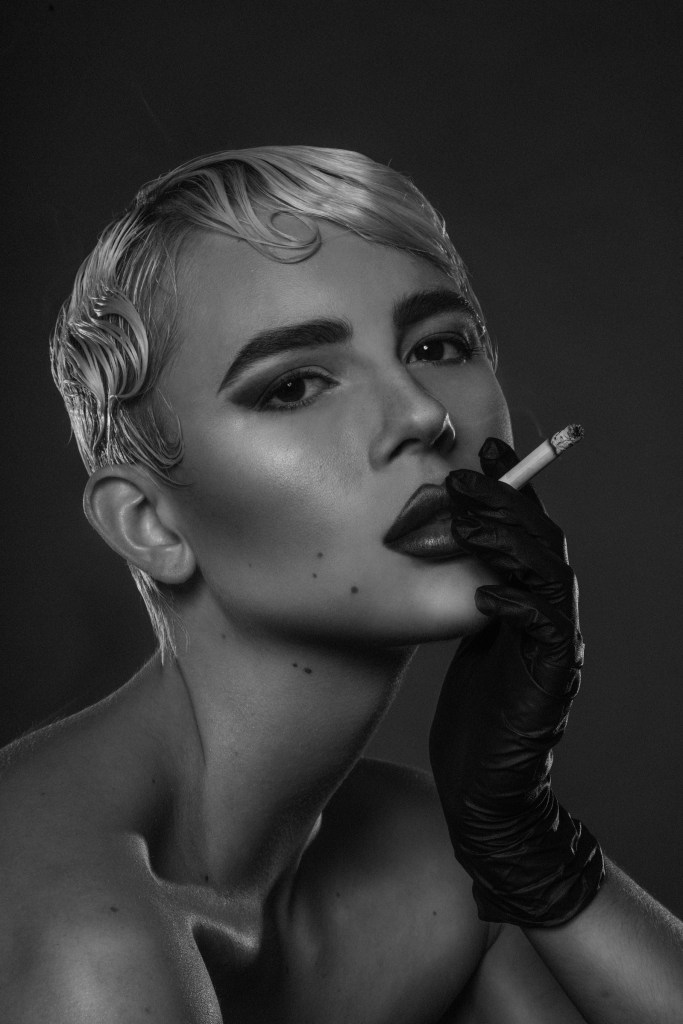
Photography, at its core, is an art form that thrives on innovation, and constraints often fuel creativity. I wanted long elegant black gloves, unfortunately black latex gloves from a local adult store were all I had available. I decided to use them anyway because I think it is a more interesting and unexpected choice.

Getting The Shot

Here you can see the journey of exploration where I tried different poses and angles to find what works, slowly making small adjustments until I found the perfect angle that was both interesting, attention grabbing, and flattering. I had a tendency to want to look down or away because it felt moodier, but in the end I found looking into the camera to be the most captivating choice. First I followed the mood, then once I found it, I tweaked the photo to be cleaner and more impactful. This is my favourite way to work, since I find starting by trying to be perfect and flattering is too limiting and the photos end up coming out lifeless. Find what works, then tweak.

Final Thoughts:
Self-portraiture is a journey of self-expression, and the tools we use are merely extensions of our creativity. By sharing my journey, and this three-light setup, I hope to inspire fellow photographers to explore the potential within their means, proving that stunning images are not exclusive to large budgets, big teams of collaborators or extravagant equipment. Embrace the constraints, let creativity lead the way, and watch the magic unfold in each click of the shutter.

Feel free to leave a comment to your own self portraits, I’d love to see them!
Happy Shooting!
How to Build a Network of Collaborators

Ever wondered how to reach out to people effectively? Let’s break it down.

Hands down the most useful skill I have developed over my photography career is the ability to network in a way that leads to meaningful and long lasting connections.

I started building my network at 14 years old. By 16, I was executing elaborate concepts with the help of already established adult professionals. In fact, the whole reason I didn’t end up going to school to study photography was because I felt I was already establishing myself as a professional and didn’t want to take away from my momentum, and I have never regretted that decision for a second. My collaborators became my teachers and mentors, the studio was my classroom. At 21 years old I got to live and work in a photography studio rent free thanks to a recommendation from my makeup artist friend at the time. During this time I joined a community of photographers and we started having regular meet ups! I had several job and press opportunities come from recommendations from other photographers, they are not just your competition. The list of opportunities I got just from networking and word of mouth is honestly and truly endless. Here’s how I did it…

Don’t Rush Into It

Before reaching out to anyone, just familiarize yourself with the local landscape. Research and identify individuals who do work that you enjoy. Social media is an incredible tool for allowing us to do this. Then, instead of reaching out to them right away- sit back and genuinely support them from afar. You know the power of suggestion? If they see your name coming up in their comments and likes often, they are more likely to remember it and to subconsciously place more value on it. This doesn’t mean harass them and constantly blow up their feed because you have ulterior motives in place. I mean just GENUINELY enjoy their work before making it about you- I swear it makes a difference. We’re talking about building long term stable connections here.

First impressions are really important, and if you reach out and rub someone the wrong way immediately, it’s not always easy to come back from that.

Time to Reach Out

The best way to reach out to someone for the first time is when you have a specific project you think they would be a good fit for. Reaching out for personal reasons to hang out or meet for coffee can raise some flags for people and make them question your intentions. When you reach out with a specific project in mind for you both this shows that the message is personal, that you are familiar with their work, and that you have already put some time and effort into this collaboration. It’s also a faster more effective way to get things done. A generic message that just says something vaguely about how you should work together sometime at best is too open ended and there might never be any follow up or follow through, and at worst it can be flagged as spam or completely ignored.

Presenting your Idea

When composing your outreach message, aim to be clear, concise, and direct. People often receive numerous emails and requests daily, so you want to capture their attention quickly. State your intentions, explain your project and why you think they would be a good fit. By providing a clear and concise proposal, you make it easier for potential collaborators to understand your vision and consider your request. The best idea to propose to someone is something that is in line with their current work, but not like anything they have done before. You will find a lot of creatives are always wanting to expand and try new things and really love and appreciate an opportunity to do so. If they don’t like the idea, at least they might suggest that you work together on something else. But if they don’t like your message, that’s a conversation stopper. So remember that how you present your idea is more important than the idea itself.

Setting the Tone

While it is important to emphasize the mutual benefits, I think people often take this too far. A surefire way for someone to piss me off, is to act like they are just “offering ” me something, as if I am not also going to be a lot for them. Often in these instances it is actually myself that has more to offer them, and I think they might know this and be overcompensating. I’m not sure if everyone can smell that, but I certainly can, so I think it’s safe to assume they might. Don’t try to manipulate them! If you feel like they have more to offer you and you are reaching above your station- be honest about that! I am way more inclined to want to work with someone who’s work doesn’t necessarily reach my usual quality if they are really kind and humble and honest about their approach. We all start somewhere, and most of us working professionals can easily think of those people who gave us a break and helped us to get to where we are. Maybe you have other ways to provide benefits for them, or maybe you can even ask them what they would find helpful! My number one rule for reaching out to people is just being honest- no bullshit.

Follow Through

Once you’ve actually breached contact and are having a conversation with them, consider that your collaboration is already starting in this conversation. Keep bringing good energy and good ideas and an open mind and ear to the table. Don’t be afraid to ask questions and to compromise. Showing them you respect them and their work is everything.

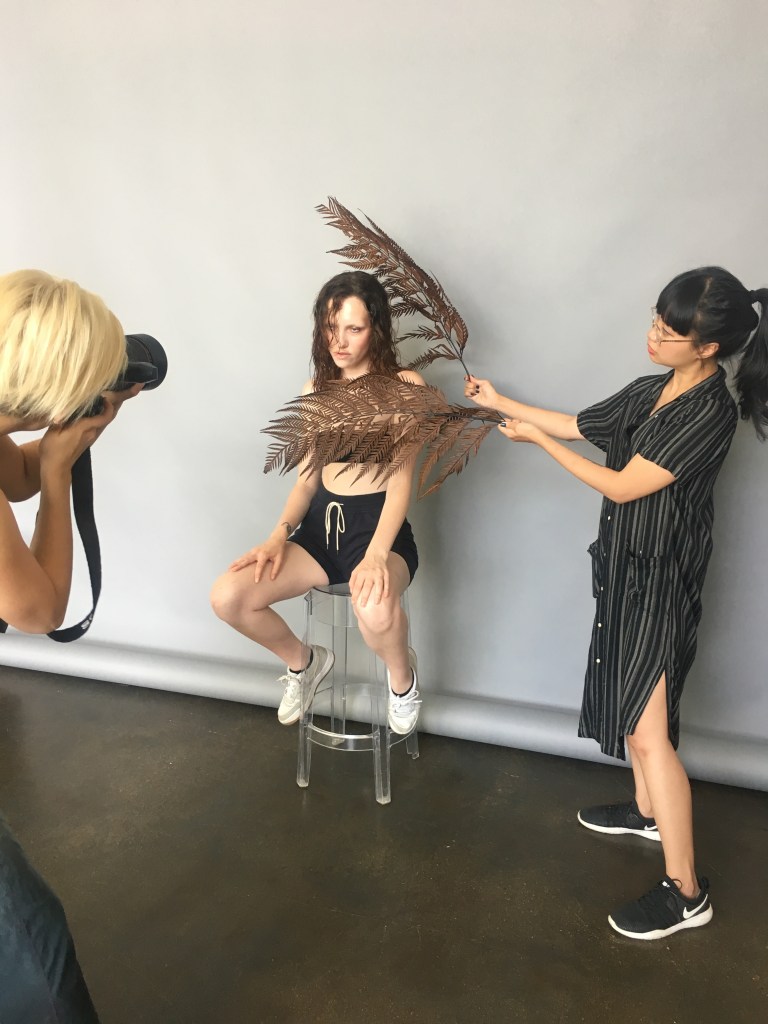
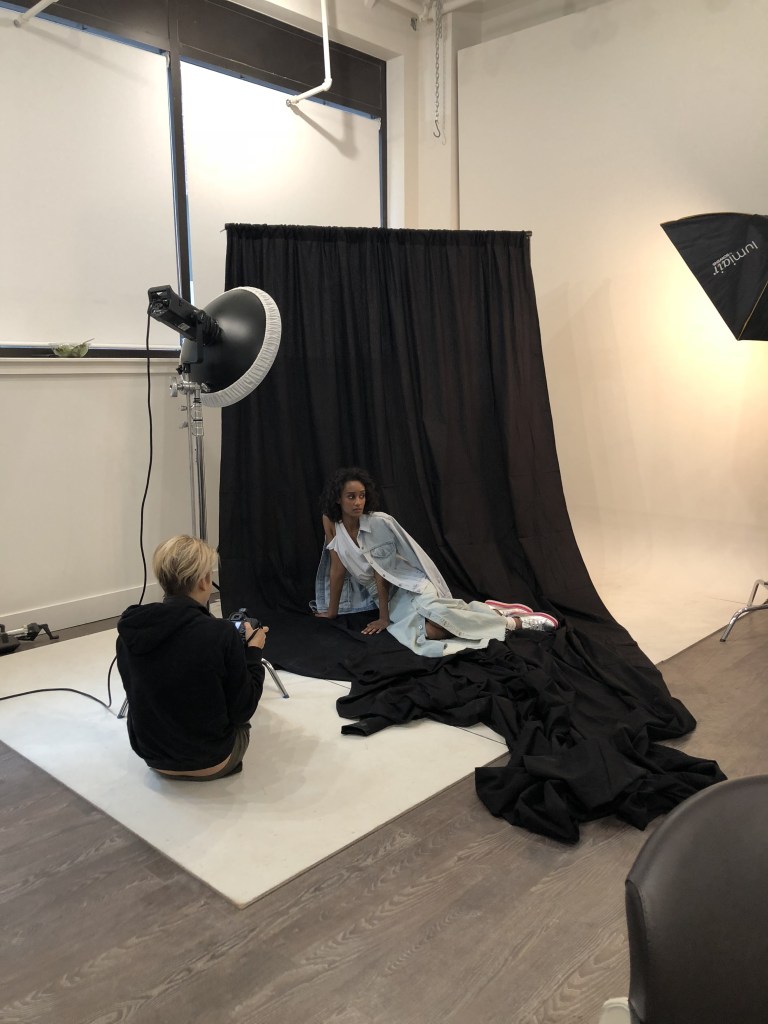
Keep this energy up on set! I always try to make people feel comfortable and valued on set. Take care of them like they are guests in your home, I always liked to feed everyone, even if it was just a little fruit tray or something on set when my budget was very small, the gesture means a lot to people. Finally, when the job is done follow up with a message of gratitude!

Now, how do you make these connections last for the long run? From here, working relationships and even friendships should begin to flow naturally! If you’ve done a good job and been a pleasure to work with, they will probably be happy to work together again. Try to work with the same people often, the more you work with people the better your work together will be. If you have paid opportunities, consider hiring these people first, or recommending them to clients.

Remember, collaboration isn’t just about what you gain; it’s also about what you can contribute. Be willing to share your knowledge, skills, and resources to create a mutually beneficial partnership.

Sound easy enough? So, what are you waiting for? Take the first step, go start supporting fellow creatives, and unlock the power of collaboration!

Do you have any experiences or tips about reaching out to collaborators that you’d like to share? Let me know in the comments below.

Gallery

Creative Ideas for Your Next Fashion Photoshoot (With Pictures!)

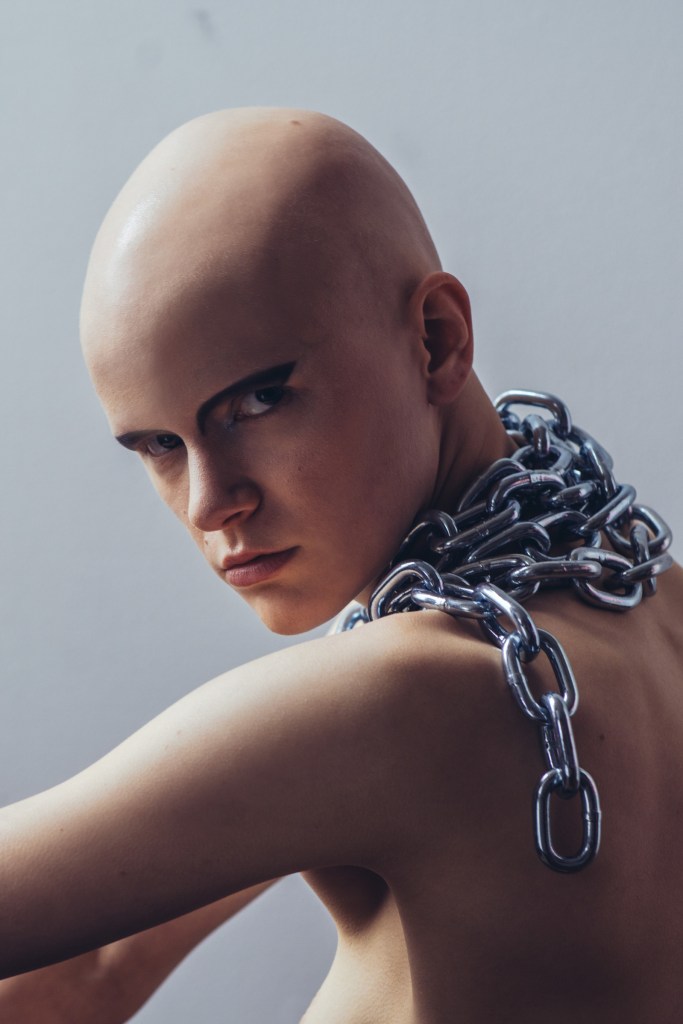
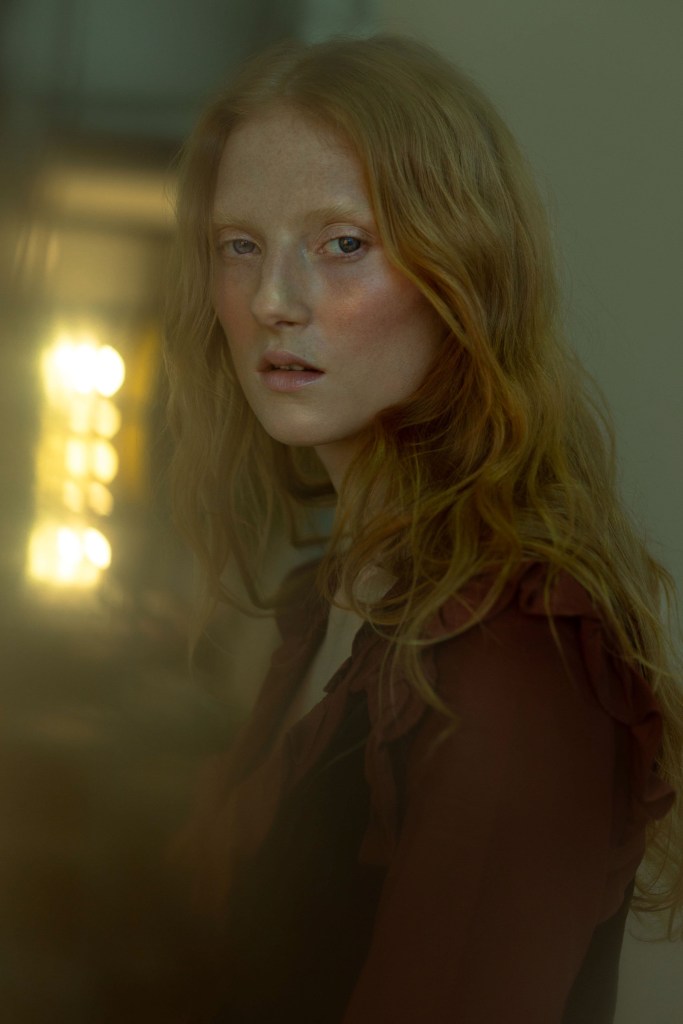
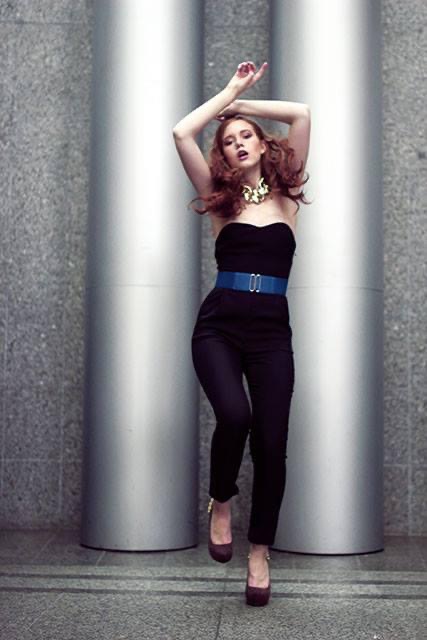
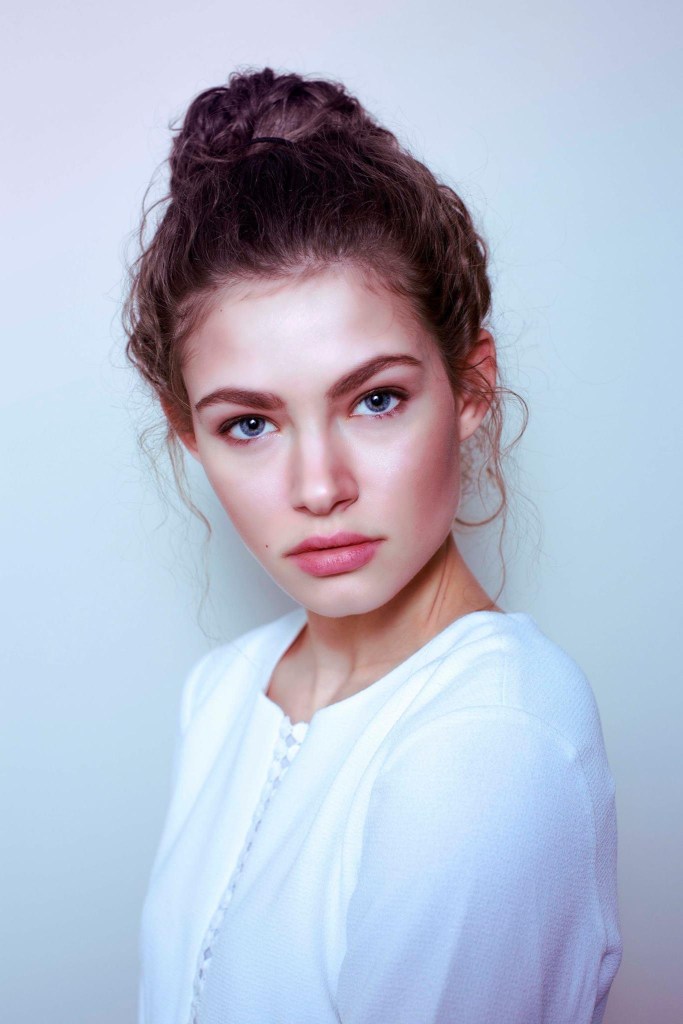
  1. Fashion or beauty photography using natural elements such as unique plants and flowers.

2. Fashion photography with a monochromatic theme. The background and the model all in the same colour, experimenting with different textures.

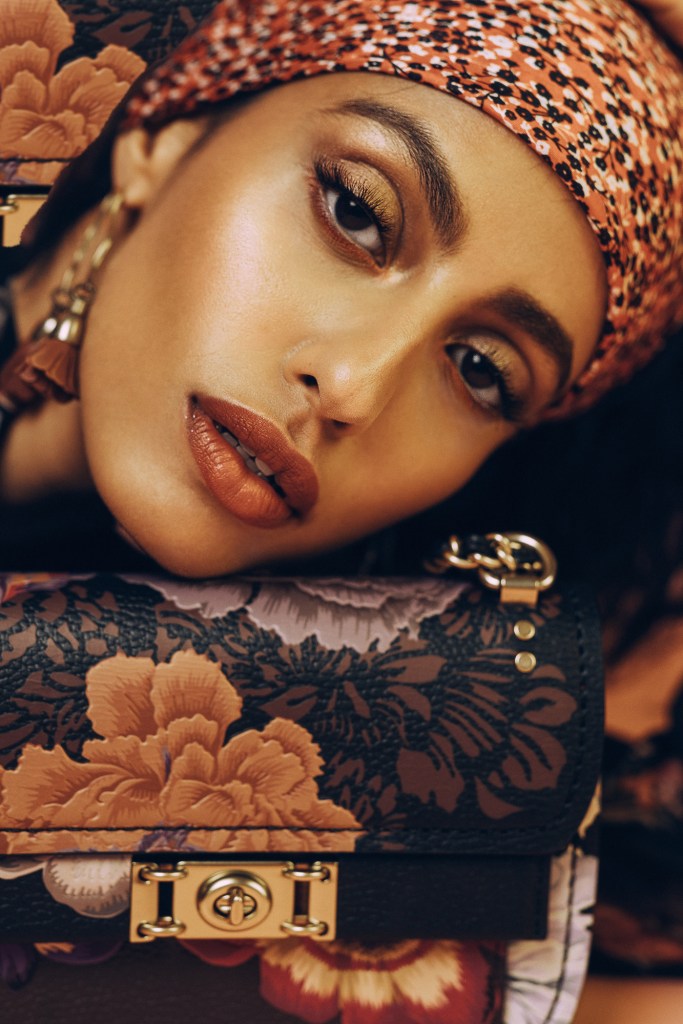
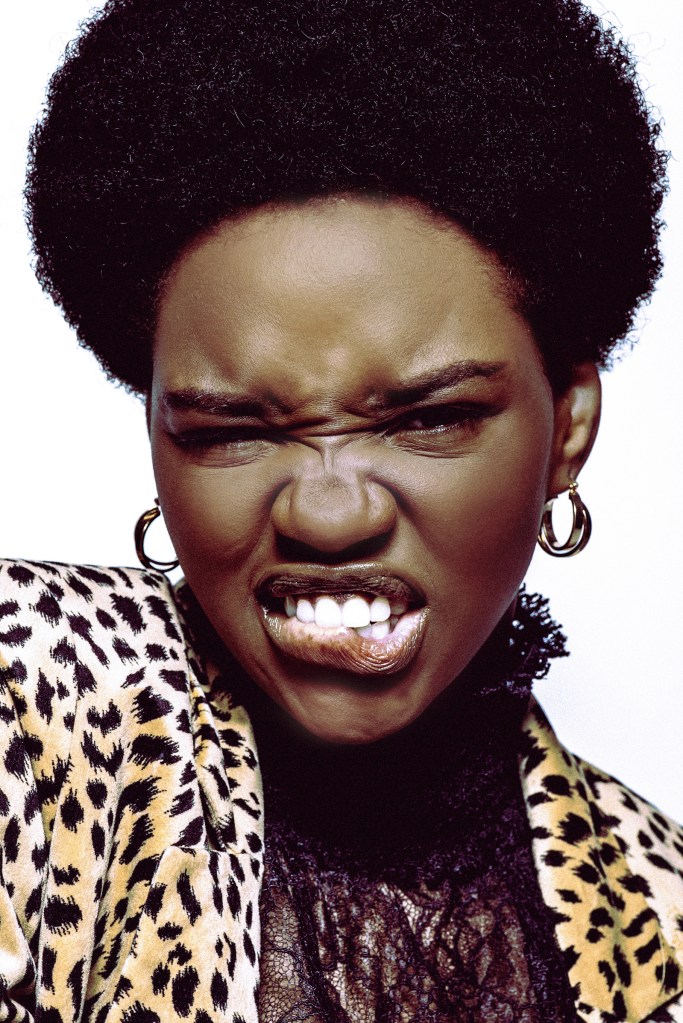
3. Fashion photography featuring different patterns that are bold and colourful or graphic.

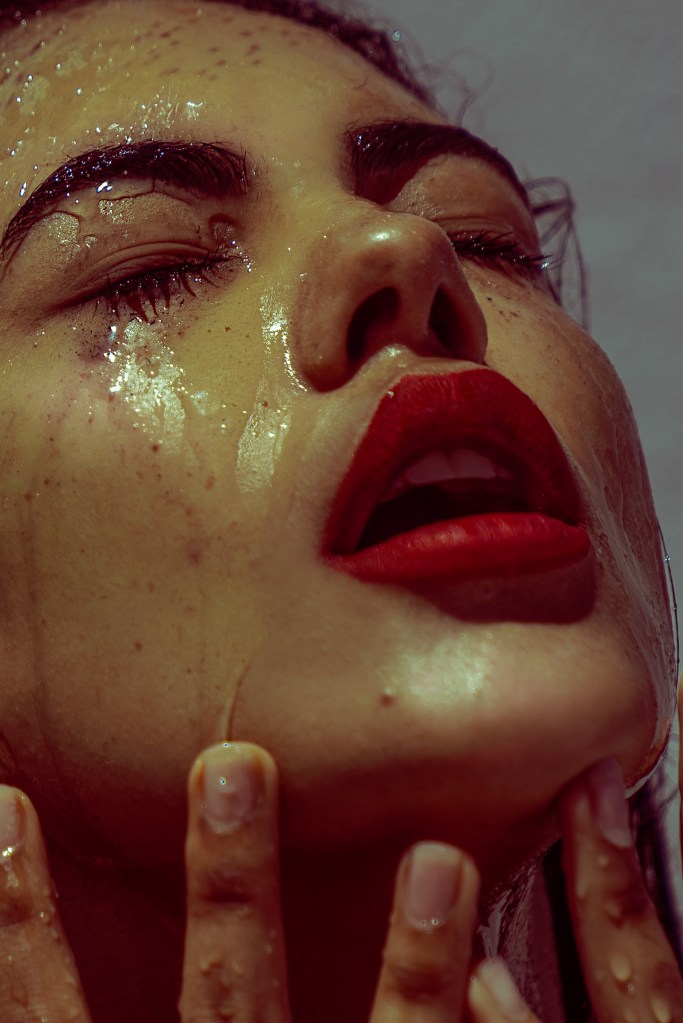
4. Fashion photography inspired by different weather conditions

5. Fashion photography using unique things as accessories, or incorporating fun and playful props.

6. Fashion photography featuring bold and unique makeup or interesting hair styles.

7. Fashion photography exploring different camera and lighting tricks like putting plastic wrap over the lens, shooting through glass or crystal bowls, using gel lighting, motion blur etc.

8. Fashion photography inspired by paintings, or a specific period in history.

9. Focusing on portraits with bold facial expressions.

10. Shooting in a unique or unconventional location.

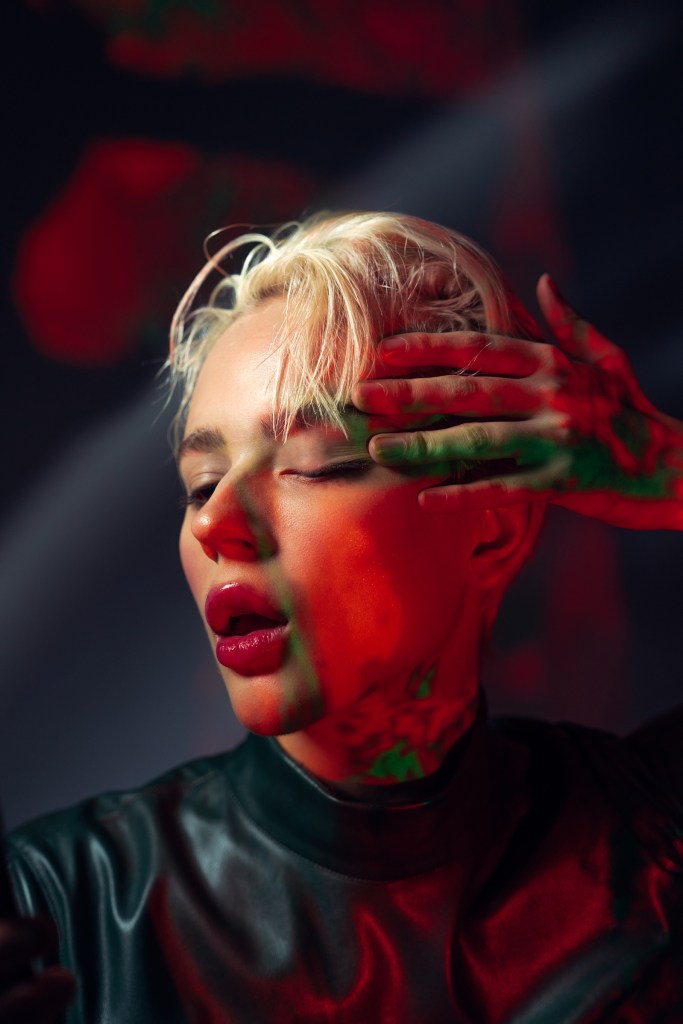
11. Using a projector. Fun creative way to also tike self portraits – like this one!

The Biggest Mistakes I Made as a Beginner Photographer

Embarking on a photography journey is an exciting and rewarding experience. However, like any artistic pursuit, it comes with its fair share of challenges and learning curves. As I reflect on my early days as a budding photographer, I can’t help but cringe at some of the mistakes I made. In the spirit of growth and shared experiences, let’s dive into the biggest blunders of my early photography days.

1. Ignoring the Basics

In my eagerness to capture unique and breathtaking images, I skipped over the fundamental principles of photography. I was spending so much time on production and putting together these elaborate teams and concepts when I had not yet even mastered the art of taking a well lit, sharply in focus and flattering image. This also led me to error #2…

2. Overreliance on Post-Processing

Thinking I could fix any mistake in post-processing. In the beginning of my photography journey, post-processing was my favourite part because “that’s when my vision would really come to life”. I soon realized that while editing is a powerful tool, it can’t replace a well-executed photograph. Today, I prioritize getting it right in-camera and use post-processing as a supplementary enhancement.

3. Neglecting the Admin and Organizational Aspects

Do not underestimate the power of organizing your files well and backing them up properly! When you start working professionally these things are going to be more and more important, don’t start yourself out with bad habits like I did. Early in my career I was hired to photograph a 90 year olds birthday party. All of their family members flew in from different parts of the world as what might be one of their final celebrations together. I was 15 years old, I was just starting out and did not yet know about proper professional practises for backing up images and I lost half of them, never to be recovered. That was a lesson HARD learned, I still feel incredibly guilty and sad when I think about this event 11 years later!

4. Letting Imposter Syndrome Rule Me

I used to rush through set up and testing because I was afraid that if I took too long people would know that I don’t know what I am doing. I would get the lighting to be “good enough” and then rush to start shooting and rely on post production because I was so afraid that if people saw me taking too long in studio that I would be exposed as a fraud! The truth is even on professional sets with a lot of hands involved in this process, they can take a lot of time and trial and error to get things right. That’s just a normal part of the process! In fact when you are starting out in the beginning without all of that assistance you SHOULD be taking longer!

Conclusion

While I cringe at the memory of these mistakes, each one played a pivotal role in shaping the photographer I am today. To every beginner photographer out there, remember that mistakes are stepping stones to mastery. Don’t become so afraid of mistakes that you won’t allow yourself to try. Go out there and make mistakes, embrace them, learn from them, and keep clicking away on your unique photographic journey- you won’t regret it!